In an era where technology touches nearly every aspect of daily life, its role in healthcare – and especially in addiction recovery – has become increasingly powerful. The integration of wearable sensors, smartphone apps, and biofeedback tools has opened a new frontier in relapse prevention. These tools not only help individuals monitor their emotional and physical states but also provide early alerts to both patients and professionals, creating a bridge between technology and traditional therapy.
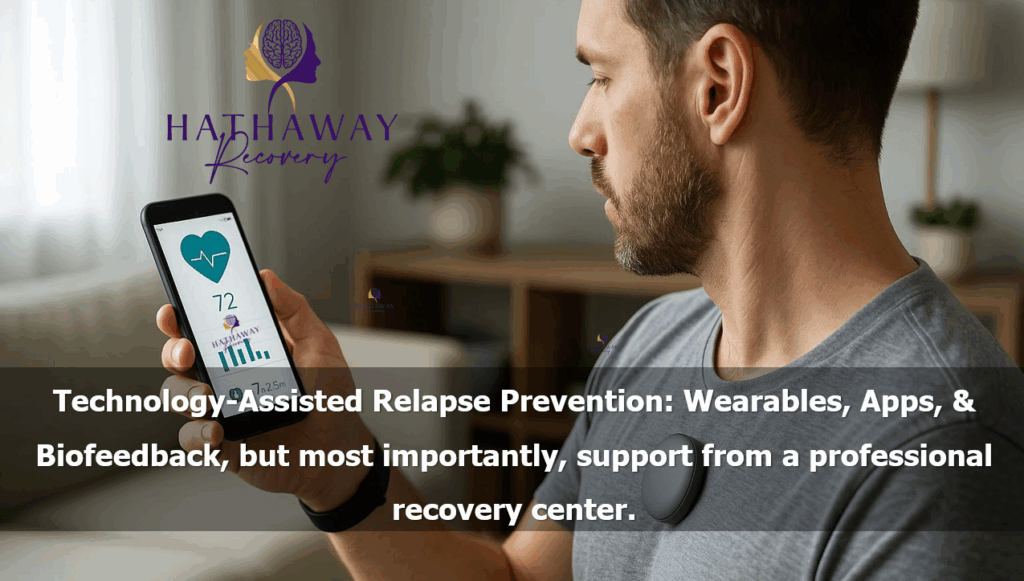
In an era where technology touches nearly every aspect of daily life, its role in healthcare – and especially in addiction recovery – has become increasingly powerful. The integration of wearable sensors, smartphone apps, and biofeedback tools has opened a new frontier in relapse prevention. These tools not only help individuals monitor their emotional and physical states but also provide early alerts to both patients and professionals, creating a bridge between technology and traditional therapy.
How Technology Supports Recovery
Wearables like smartwatches, fitness trackers, and biometric rings can now measure more than just steps or calories. They continuously track heart rate variability, stress levels, sleep patterns, body temperature, and even skin conductance. These data points can reveal patterns that indicate elevated anxiety, fatigue, or cravings – factors that often precede relapse.
For example, a recovering individual may experience subtle physiological stress before consciously realizing it. A wearable device can detect those changes and send an alert or suggestion through a connected app. This might prompt users to pause, practice breathing exercises, or contact their support network before the situation escalates.
Biofeedback tools take this even further. By displaying real-time physiological data – such as heart rate, respiration, or brain wave activity – they train individuals to consciously control their body’s response to stress. This mind-body awareness can be life-changing, helping people replace harmful habits with calming, health-promoting behaviors.
Smartphone apps extend this monitoring into everyday life. Many now combine AI and behavioral science to offer mood tracking, digital journaling, daily affirmations, virtual coaching, and relapse prevention plans. Through push notifications and pattern recognition, these apps provide around-the-clock support – even outside clinical settings.
Pros and Advantages of Technology in Recovery
- Early Intervention and Prevention:Wearables can detect physiological signs of relapse risk before symptoms are outwardly visible, allowing for immediate preventive action.
- Continuous, Personalized Support:Technology enables individuals to receive feedback and insights 24/7, ensuring support doesn’t end when a therapy session does.
- Data-Driven Insights: Over time, devices can identify behavioral and emotional trends, offering both patients and clinicians a clearer understanding of progress and triggers.
- Increased Accountability and Motivation: Seeing measurable progress – better sleep, lower stress – reinforces positive habits and builds motivation to stay in recovery.
Challenges and Limitations
While the benefits are substantial, technology in recovery is not without challenges:
- Privacy Concerns: Sensitive health data may be stored or transmitted online, raising questions about security and confidentiality.
- Over-Reliance on Devices: Technology should complement – not replace – human connection and professional support.
- Accessibility Barriers: Not everyone can afford or maintain wearable tech, which may limit its reach to certain populations.
- Data Interpretation: Without professional context, raw data can be misunderstood or lead to unnecessary anxiety.
Balancing these pros and cons is key to ensuring that technology becomes a sustainable, effective tool in recovery rather than a distraction or replacement for personal growth.
Integrating Technology with Traditional Care
Successful recovery involves more than abstinence—it’s about rebuilding life with mindfulness, balance, and purpose. Technology, when thoughtfully integrated, strengthens this process. Clinicians can use data from wearables and apps to tailor treatment plans. Patients can use biofeedback and tracking tools to stay aware of their mental and physical state. Together, they create a partnership grounded in real-time insight and trust.
Imagine a person in recovery waking up feeling unusually anxious. Their smartwatch notes an increased heart rate and decreased sleep quality. Their app then suggests a five-minute guided meditation or sends a reminder for a support group meeting. That timely nudge – powered by technology – can prevent a relapse before it starts.
Technology doesn’t replace human care – it amplifies it. By combining compassionate therapy with smart monitoring tools, recovery becomes not just a destination but a proactive, data-informed journey of self-awareness and healing.
Get Professional Help
Technology-assisted relapse prevention marks a promising step toward more personalized, connected, and effective recovery. As these tools evolve, they will continue to empower individuals to better understand their emotions, detect warning signs early, and maintain control of their health and choices.
If you or your loved one is seeking a place where healing is both transformative and luxurious, Hathaway Recovery is ready to welcome you. Nestled in a serene, private location, Hathaway offers a unique blend of world-class treatment, elegant accommodations, and compassionate care tailored to your personal journey.
This is where luxury meets purpose—where every person is treated with dignity and every recovery plan is deeply personalized. Whether you need detox, residential treatment, or long-term support, Hathaway’s experienced team will walk beside you every step of the way.
Contact Hathaway Recovery today at (909) 971-3333 and take the first step toward a brighter tomorrow.
Let our admissions team guide you through your options and assist in verifying your insurance coverage.
Because every silence holds a story – and it’s never too late to write a new chapter.