Addiction and sleep problems are closely connected. Learn how insomnia or sleep disorders increase relapse risk and how integrated sleep therapies in rehab, like those offered at Hathaway Recovery, support lasting recovery.
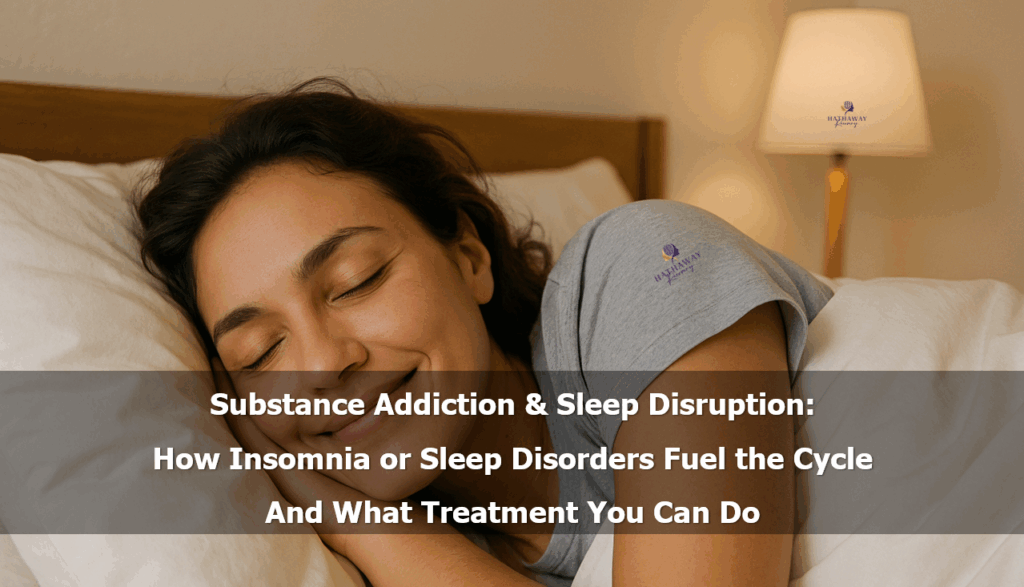
Sleep plays a vital role in emotional stability, physical restoration, and overall brain health – all essential elements for successful addiction recovery. Unfortunately, addiction and sleep problems often fuel one another in a two-way cycle. Substance use disrupts healthy sleep patterns, and persistent insomnia or sleep disorders make individuals more vulnerable to relapse.
By understanding this cycle, individuals and treatment professionals can take targeted steps to address both issues simultaneously. Incorporating sleep therapy into addiction treatment is no longer optional – it’s a crucial component of holistic, long-term healing.
How Addiction Disrupts Sleep
Substance use can significantly interfere with the body’s natural sleep-wake cycle. Stimulants such as cocaine, methamphetamine, and certain prescription medications can cause prolonged wakefulness, making it difficult to fall asleep. On the other hand, depressants like alcohol may seem to help with sleep initially, but they actually lead to shallow, fragmented rest and reduced REM sleep. Over time, repeated use alters brain chemistry and sleep architecture, making natural, restorative sleep harder to achieve.
Even after detoxification, sleep disturbances often persist. Individuals in early recovery may experience weeks or even months of insomnia, irregular sleep cycles, or restless nights. This lingering disruption happens because the brain and nervous system need time to recalibrate after long-term substance exposure. Without targeted interventions, these patterns can undermine emotional resilience and slow the healing process.
How Poor Sleep Increases Relapse Risk
Poor sleep impacts far more than daytime energy – it affects mood, decision-making, and impulse control. Sleep deprivation increases stress hormones, heightens anxiety, and makes it harder to regulate emotions. These effects can intensify cravings and weaken the ability to cope with triggers, creating a dangerous environment for relapse.
Studies consistently show that individuals in recovery who suffer from chronic insomnia are at a much higher risk of relapse compared to those who sleep well. Fatigue, irritability, and cognitive fog make it difficult to stay engaged in therapy and follow recovery plans. Addressing sleep problems is therefore not just about comfort – it’s a critical aspect of relapse prevention and long-term recovery success.
Integrating Sleep Therapies Into Rehab
Forward-thinking rehabilitation programs now incorporate evidence-based sleep therapies into addiction treatment plans. Cognitive Behavioral Therapy for Insomnia (CBT-I), relaxation techniques, mindfulness practices, and personalized sleep hygiene education can help restore natural sleep patterns. These therapies support both the brain’s recovery and emotional stability, improving overall treatment outcomes.
Sleep hygiene practices, such as maintaining a consistent bedtime, creating a calm sleep environment, and avoiding screens before bed, are also taught as part of daily routines. By addressing sleep early in the recovery process, individuals build a stronger foundation for physical and psychological healing. Sleep therapy in rehab doesn’t just treat insomnia – it strengthens the entire recovery journey.
Start Your Recovery Journey at Hathaway Recovery
If you or a loved one is struggling with substance addiction and persistent sleep problems, specialized, integrated care can make all the difference. Hathaway Recovery offers luxury, evidence-based treatment that combines addiction therapy with targeted sleep interventions to support lasting sobriety and a better quality of life.
Take the first step toward recovery and restful nights – contact Hathaway Recovery today.