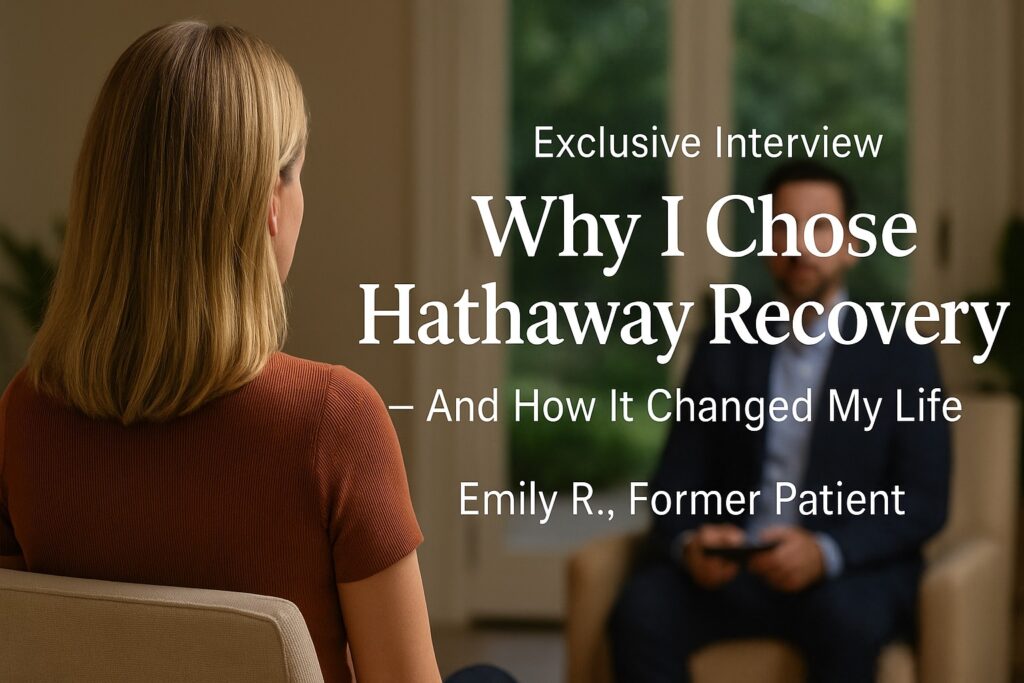
In this heartfelt conversation, we sit down with Emily R., a former patient of Hathaway Recovery, one of California’s most sought-after luxury rehab centers. Emily opens up about her journey through addiction, the pivotal moment she chose Hathaway, and how it helped her reclaim her life.
Q: Emily, thank you for being here. Let’s start with the beginning—what led you to seek help?
Emily:
For a long time, I lived in denial. I was successful on the outside—great job, beautiful apartment, lots of friends—but inside, I was completely unraveling. My anxiety and depression pushed me toward alcohol and prescription pills. I tried to get clean on my own more than once, but I always relapsed. One night, after a really scary incident, I realized I couldn’t do this alone. That’s when I started researching rehab centers seriously.
Q: What made you choose Hathaway Recovery over other treatment centers?
Emily:
Honestly, I was overwhelmed by options. But Hathaway stood out right away. I wasn’t just looking for a place to detox—I needed a place where I could truly heal. Hathaway felt different. They didn’t treat me like a number or a case file. From the first phone call, I felt heard. And once I saw the photos of the facility—those serene views, private suites, spa amenities—I thought, “If I’m going to do the hardest thing I’ve ever done, I want to do it in a place that feels safe and comforting.”
Q: What was your first impression when you arrived?
Emily:
It was surreal. The grounds are stunning—like a private retreat. But more than that, the energy was peaceful. Everyone was warm and nonjudgmental. I wasn’t thrown into a crowded group. They respected my privacy and took time to get to know me. My treatment plan was customized from day one.
Q: Can you share what made the treatment at Hathaway so effective for you?
Emily:
It was a combination of things. The therapy was next-level. I had access to licensed therapists, trauma specialists, and even holistic healers. We did traditional therapy, but also equine therapy, yoga, and sound healing—things I never would’ve considered before, but they made a huge difference.
But the biggest thing was the personalized care. My team understood that recovery isn’t one-size-fits-all. They adjusted my treatment as I progressed. When I was struggling, they supported me. When I started thriving, they challenged me. It was real, human, and transformative.
Q: What about the “luxury” part—was that important to your recovery?
Emily:
Absolutely. Some people think luxury means “pampered,” but for me, it meant dignity. I was dealing with so much shame, and being in a place that respected me—where I had space, comfort, and beauty around me—it reminded me that I was worth saving. It’s hard to explain, but healing feels different when you’re not in a sterile hospital room.
Q: How has your life changed since Hathaway?
Emily:
I’m over a year sober now. I have boundaries. I sleep through the night. I enjoy the little things again. My relationships are real—not built on hiding or lying. I’m not saying it’s always easy, but now I have tools, a support system, and confidence in myself. Hathaway gave me a second chance, and I’ll always be grateful.
Q: What would you say to someone who’s thinking about choosing Hathaway Recovery?
Emily:
Do it. Don’t wait. If you’re even considering it, that means a part of you already wants change. Hathaway will meet you exactly where you are and walk with you every step of the way. It’s not just a rehab—it’s a rebirth.
If you or a loved one is struggling with addiction, know that recovery is possible. Hathaway Recovery offers compassionate, evidence-based, and luxurious care that transforms lives – just like it did for Emily.
Visit Hathaway Recovery today to learn more about their residential substance rehabilitation programs. The Hathaway Recovery Admission Department is available to provide confidential assistance at (909) 971-3333. Taking that first step could mark the beginning of a healthier, more fulfilling life.
Disclaimer: The patient’s name has been changed to protect their privacy. They were compensated for their time. This story has been edited for length and clarity. The article is for educational purposes only and should not be considered a source of specific medical or treatment advice.